
Natural Gas vs. Electrification
Everyday residents and small businesses will bear the brunt of the policies pushed by opponents of natural gas. They deserve the truth about the true costs and CO2 savings of these polices.
Here are the facts.
Electric energy in the National Capital Region is not “clean.”

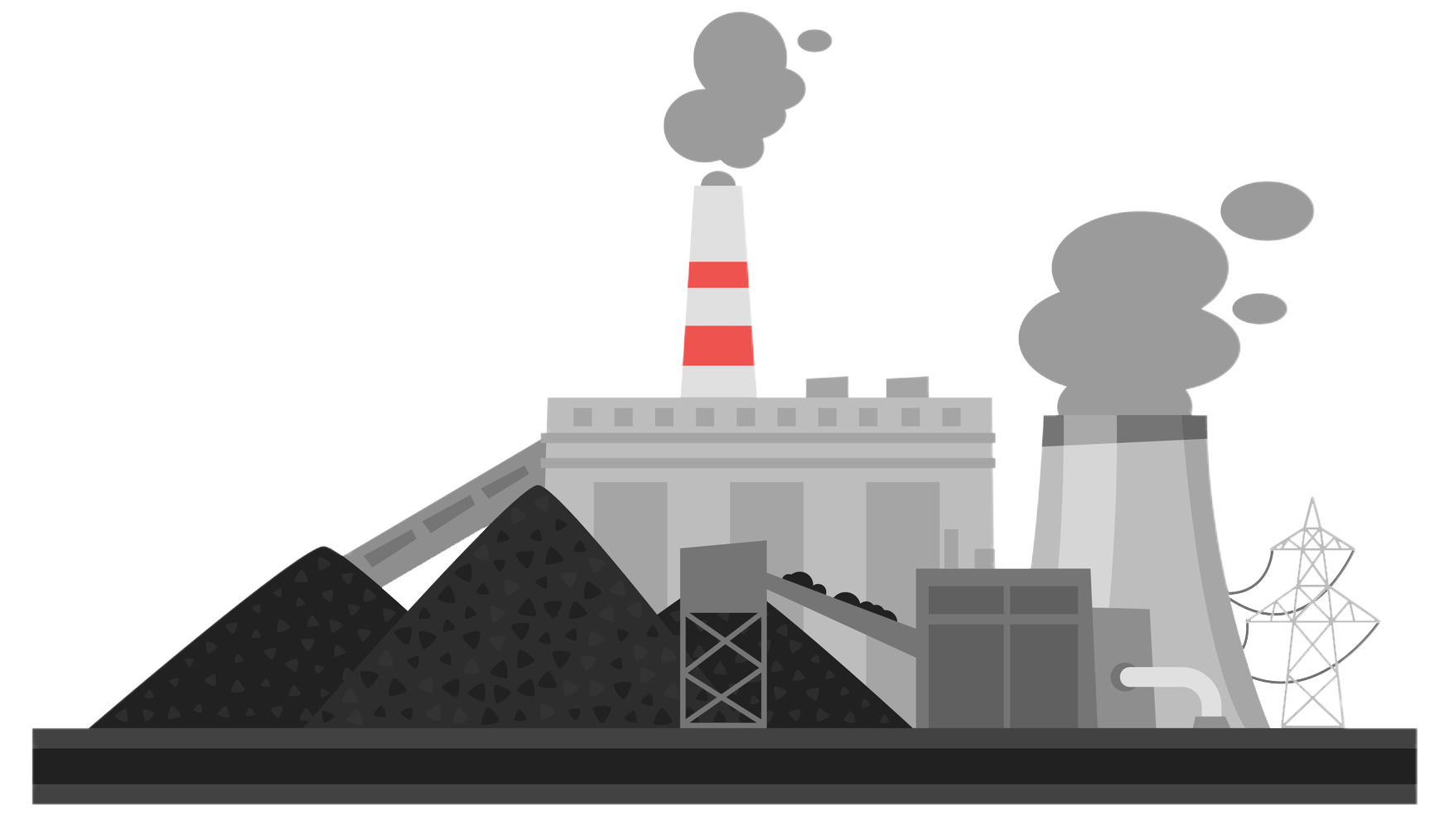
According to the U.S. Energy Information Administration, using natural gas as a fuel source results in fewer emissions of nearly all types of air pollutants and CO2 than burning coal or petroleum products.
A substantial portion of electricity consumed in the National Capital Region is produced from burning coal - the dirtiest fossil fuel energy source. A relatively insignificant amount of electricity in this region is produced from renewables. For instance, in July 2023, over 17% was generated by coal, while only 1.7% of electricity came from wind.
Moving from natural gas to all-electric households will dramatically increase the amount of energy consumed in the National Capital Region from burning coal.
Source: U.S. Energy Information Administration, Natural Gas Explained. PJM….(Insert source)
The costs to transition to from natural gas to all-electric will be staggering for households.

The Nation’s Capital is an expensive place to live, with low-income households finding it increasingly tough to keep pace with the cost-of-living. Forcing residents to switch from natural gas to all-electric will add crushing new costs on these families. Home heating bills will increase by up to 46% annually, an average of $1,068 more per household each year.
And that doesn’t even begin to account for the enormous cost of expanding the region’s electric grid to support this transition, a cost that will be reflected in higher energy rates.
Source:

Natural gas is the cleanest form of reliable energy for heating.


The direct use of natural gas for heating, hot water, and cooking accounts for only 4% of all CO2 emissions in the United States. Switching 60% of current natural gas users to all-electric households, which would result in massive cost increases and disruption, would reduce current CO2 emissions by just 1%.

The push to ban natural gas threatens hundreds of thousands of jobs in the National Capital Region.
According to __________, the natural gas industry is responsible, both directly and indirectly, for 312,000 jobs in the District of Columbia, Maryland, and Virginia.
As with the burden of high energy costs, opponents of natural gas have shown little regard for the thousands of men and women working in the natural gas industry.
CLEAN is supported by the Teamsters Local 96 who understand the importance of high-paying, steady jobs in the National Capital Region.
Source: Price Waterhouse Cooper…